
Introduction
The best signage material depends on where the sign will be installed, how long it should last, how it should look and how much exposure it will face. Saudi Arabia’s heat, sunlight and dust make material selection especially important for outdoor signs. Indoor signs have different priorities: brand finish, clarity, lighting and fit with the interior.
Why signage material matters
Material affects durability, appearance, maintenance, installation and cost. A reception sign can use polished acrylic or metal for a premium feel, while an outdoor shop sign may need a stronger structure, UV-resistant graphics and suitable illumination.
Acrylic signage
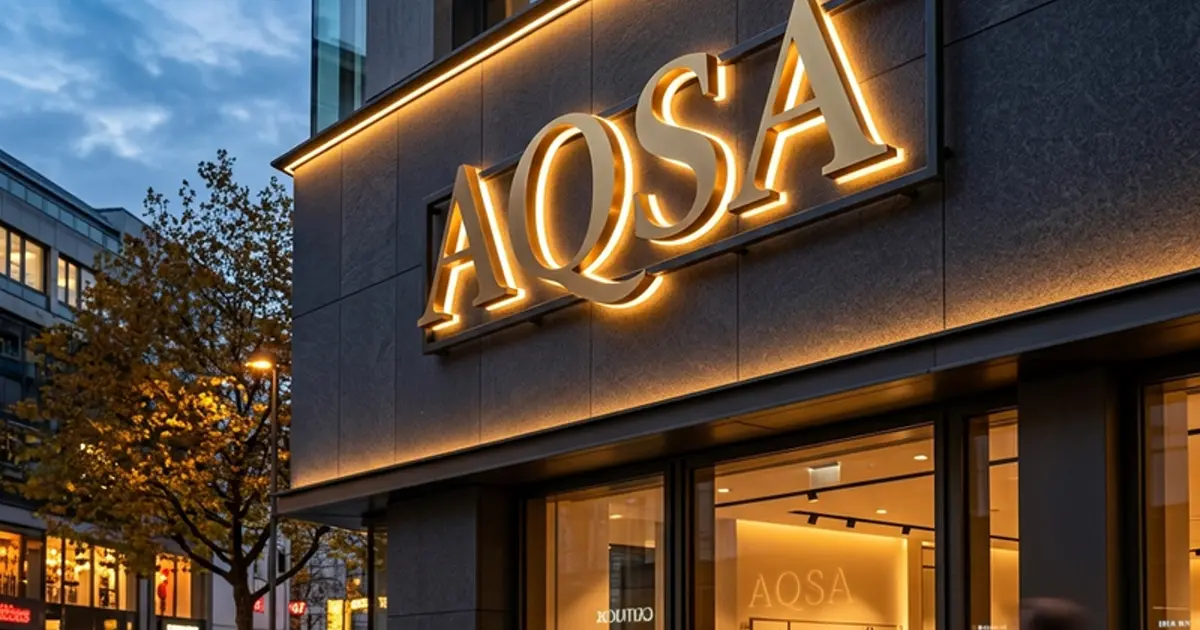
Acrylic is widely used for reception signs, office name boards, 3D letters and illuminated displays. It has a clean finish, can be cut into shapes and works well with vinyl, printing and lighting. Acrylic is especially useful for indoor business branding and premium-looking wall signs.
Aluminium signage
Aluminium is lightweight, durable and suitable for many outdoor and indoor signs. It can be used for panels, directional signs, shop signs and backing structures. It resists corrosion better than many basic materials, making it practical for exterior applications.
Stainless-steel signage
Stainless steel is often selected when a sign needs a premium corporate appearance. Brushed or polished stainless letters can work well for offices, clinics, showrooms and building entrances. It is strong and visually refined, but it requires careful fabrication.
ACP signage
ACP, or aluminium composite panel, is common for shop fascia, outdoor panels and branded cladding. It is lightweight, flat and suitable for printed graphics, vinyl and mounted letters. It is often used when a clean exterior surface is needed.
PVC and foam-board signage
PVC and foam-board materials are useful for indoor displays, temporary signs, exhibition panels and lightweight graphics. They are not always the right choice for long-term outdoor exposure, but they can be practical for short-term campaigns.
Flex-face signage
Flex-face signs use printed flexible material stretched across a frame. They are common for larger illuminated signs because the graphic can cover a wide area. The print quality, frame and lighting all affect the final result.
Vinyl graphics
Vinyl graphics are flexible and can be applied to glass, walls, panels, vehicles and temporary displays. Printed vinyl supports full-colour artwork, while cut vinyl works well for lettering and logos.
LED illuminated signage
LED illumination improves visibility at night and can make storefront signage more noticeable. It may be used behind acrylic letters, within channel letters or inside sign boxes. Electrical access and installation conditions should be reviewed before production.
Channel letters
Channel letters are dimensional letters often used for storefronts and building signs. They can be non-illuminated, front-lit, back-lit or combined with acrylic faces depending on the desired effect.
Indoor versus outdoor materials
Indoor signs can focus more on finish and brand detail. Outdoor signs need stronger attention to weather, fixing method, sunlight, dust and maintenance. Choosing indoor materials for outdoor use can lead to fading, warping or early wear.
Materials suitable for Saudi weather
For outdoor signage in Saudi Arabia, material and print choices should consider heat, UV exposure and dust. Aluminium, ACP, stainless steel, outdoor-rated vinyl and appropriate acrylic can all be suitable depending on the design and installation.
Choosing material based on budget
Budget should be balanced with expected lifespan. Temporary event signage can use lighter materials, while permanent storefront signage should use materials that match the visibility and durability required.
Choosing material based on appearance
A clinic, restaurant, office and warehouse may all need different looks. Acrylic and stainless steel can feel premium, vinyl can be flexible, and illuminated signs can improve visibility. The material should support the brand rather than just fill a space.
Maintenance considerations
Signs should be cleaned and inspected based on location and exposure. Outdoor signs may need more regular maintenance than indoor reception signs, especially where dust and sunlight are constant.
How to brief a signage supplier
A clear signage brief should include the installation location, approximate size, indoor or outdoor use, preferred lighting, viewing distance and whether the sign will be mounted on glass, wall, metal, cladding or an existing frame. Photos of the location are especially helpful because they show surface condition, access and nearby visual clutter.
If the sign is for a storefront or building, approvals and landlord requirements may also affect the final design. Sharing these details early helps avoid choosing a material or fixing method that later needs to be changed.
Balancing durability and brand presentation
Durability is important, but appearance should not be ignored. A sign can be technically strong and still feel wrong for the brand if the material, lighting or finish does not match the business environment. A premium clinic, a retail shop, a warehouse and a restaurant may all need different signage choices.
The best approach is to decide what the sign must do first: attract attention, guide visitors, identify a location, support interior branding or create a premium reception feature. The material choice becomes easier once the purpose is clear.
Helpful AQSA Print Links
Frequently Asked Questions
Which signage material is best for outdoor use?
It depends on the sign type, but aluminium, ACP, stainless steel, outdoor vinyl and suitable acrylic are common options.
Is acrylic good for signage?
Yes, acrylic is useful for reception signs, 3D letters and illuminated signs, especially indoors.
Can signage be illuminated?
Yes. LED illumination can be used in channel letters, sign boxes and back-lit or front-lit designs.
Related Articles
Vehicle Branding
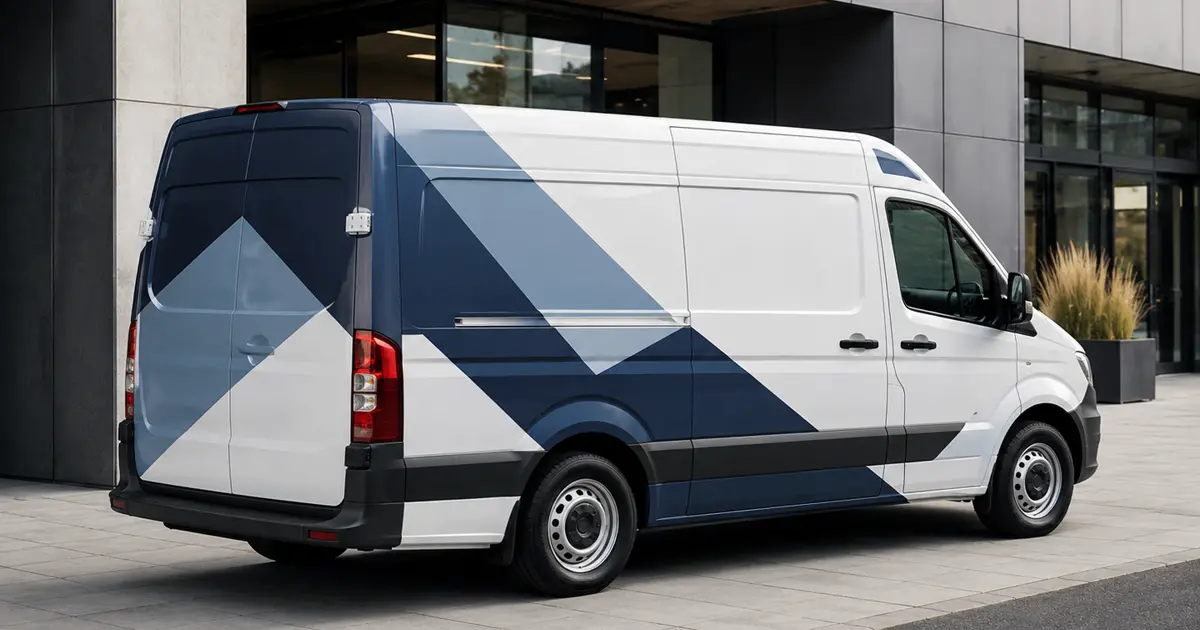
How Much Does Vehicle Branding Cost in Riyadh?
Understand the main factors that shape vehicle branding quotations, from coverage and artwork to vinyl choice and installation requirements.
Read Article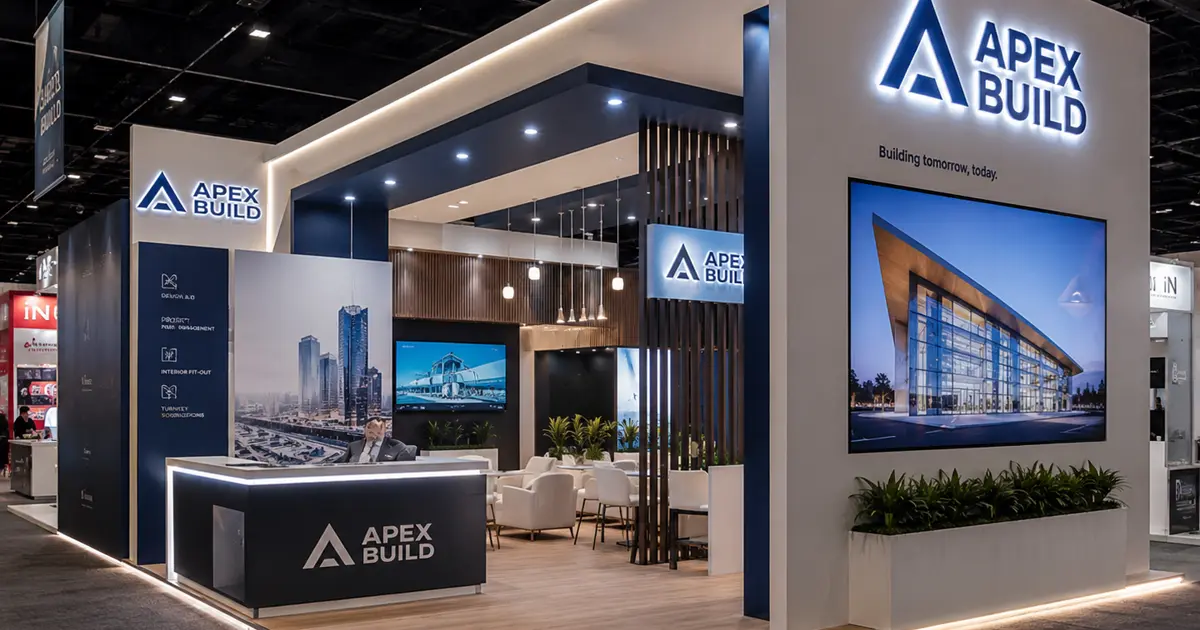
Exhibition and Events
Printing Checklist for Exhibitions and Corporate Events
A practical checklist for planning roll-up banners, backdrops, booth graphics, brochures, signage, giveaways and event branding.
Read ArticleRequest a quotation
Share your project details with AQSA Print so the team can recommend suitable materials, production methods and timelines for your business in Riyadh or Saudi Arabia.
Request a quotation