
Introduction
Choosing between digital printing and offset printing is one of the first decisions in a print project. Both methods can produce professional marketing materials, but they are suited to different quantities, timelines, artwork requirements and finishing plans. A business in Riyadh printing fifty menus has different needs from a company producing thousands of catalogues for a regional sales campaign. This guide explains the difference in plain language so you can choose the method that fits the project rather than guessing from price alone.
What is digital printing?
Digital printing sends artwork directly from a digital file to the printing equipment. It does not require printing plates, which makes it flexible for short-run printing, urgent changes and personalised pieces. It is commonly used for business cards, flyers, invitations, menus, small brochures, certificates, posters and documents where the quantity is modest or the turnaround is important.
Because setup is simpler, digital printing is also useful when you need a small batch before committing to a larger run. If names, codes or messages change from one piece to another, digital printing can handle variable data more naturally than traditional offset workflows.
What is offset printing?
Offset printing uses plates to transfer ink to a rubber blanket and then onto paper or another substrate. The setup takes more preparation, but once the press is ready, it is efficient for medium and larger quantities. Offset printing is often selected for catalogues, magazines, company profiles, folders, packaging, labels and larger marketing campaigns.
For many commercial printing projects in Saudi Arabia, offset printing is preferred when colour consistency across a long run is important or when the job requires specific paper, ink or finishing combinations.
Digital printing advantages
Digital printing is usually the better choice for small quantities, quick proofs and short deadlines. It allows flexible ordering, easy artwork updates and practical production for items that do not justify a large setup. It also supports personalised printing, such as unique names, numbers, QR codes or campaign variations.
For businesses that need marketing materials for a meeting, event or branch launch, digital printing can reduce waiting time and avoid unnecessary stock.
Offset printing advantages
Offset printing becomes more attractive as quantity increases. The setup is more involved, but the cost per piece can become more efficient at higher volumes. It also provides strong colour control, smooth solids and a wide range of paper and finishing options.
If you are producing a company profile, catalogue, product booklet or packaging run that must look consistent from the first copy to the last, offset printing may be the stronger route.
Key differences
The key differences are setup, quantity, cost structure, customisation and turnaround. Digital printing has lower setup complexity and is well suited for short-run printing. Offset printing has more setup work but can be more efficient for bulk printing. Digital is better for personalisation; offset is often better for longer runs with demanding colour control.
Cost comparison
There is no single price that applies to every job. Cost depends on quantity, paper, size, colour coverage, finishing and delivery requirements. In general, digital printing is practical for smaller quantities because setup is simpler. Offset printing can become more economical for higher quantities because the setup cost is spread across more copies.
The most reliable approach is to request both options when your quantity sits in the middle range. AQSA Print can review the artwork and recommend the method that makes sense for the job.
Quality comparison
Modern digital printing produces sharp, professional results for most business materials. Offset printing can offer excellent colour stability, smooth gradients and precise production for larger commercial work. The difference is not always visible to customers, especially on everyday items such as flyers or small cards, but it can matter for premium catalogues, solid brand colours and long print runs.
Turnaround-time comparison
Digital printing usually has the faster setup because there are no plates. Offset printing requires more preparation, proofing and press setup, so it is normally planned with more lead time. Finishing can also affect turnaround. Lamination, folding, binding, die cutting, foiling and special packaging all add production steps regardless of the print method.
Best option for small quantities
For small quantities, digital printing is usually the practical choice. It lets you print only what you need, update artwork more easily and avoid storing excess materials. This is helpful for menus, training documents, personalised invitations, small event batches and quick promotional materials.
Best option for bulk printing
For bulk printing, offset printing often becomes more suitable. Catalogues, company profiles, product sheets, magazines, packaging and large brochure runs can benefit from the consistency and efficiency of offset production.
Best option for personalized printing
Personalised printing usually belongs with digital printing. If every piece contains a different name, code, branch, offer or message, digital production avoids the complexity of changing plates or running multiple offset versions.
How to choose the correct method
Start with quantity, deadline and finish. Then consider how important exact colour consistency is, whether each piece is identical, and whether the item will be used once or represent the brand for a long time. If you are unsure, share your artwork, quantity, paper preference and required date. AQSA Print can compare digital and offset options and recommend a production route for your project in Riyadh.
Helpful AQSA Print Links
Frequently Asked Questions
Is digital printing lower quality than offset printing?
Not necessarily. Digital printing is excellent for many business materials. Offset may be preferred for larger quantities, demanding colour consistency or specific finishes.
Which method is better for urgent printing?
Digital printing is usually faster for short runs because setup is simpler. Finishing requirements can still affect the final timeline.
Which method should I use for catalogues?
For larger catalogue quantities, offset printing is often suitable. For small batches or proof copies, digital printing may be more practical.
Related Articles
Printing Guides
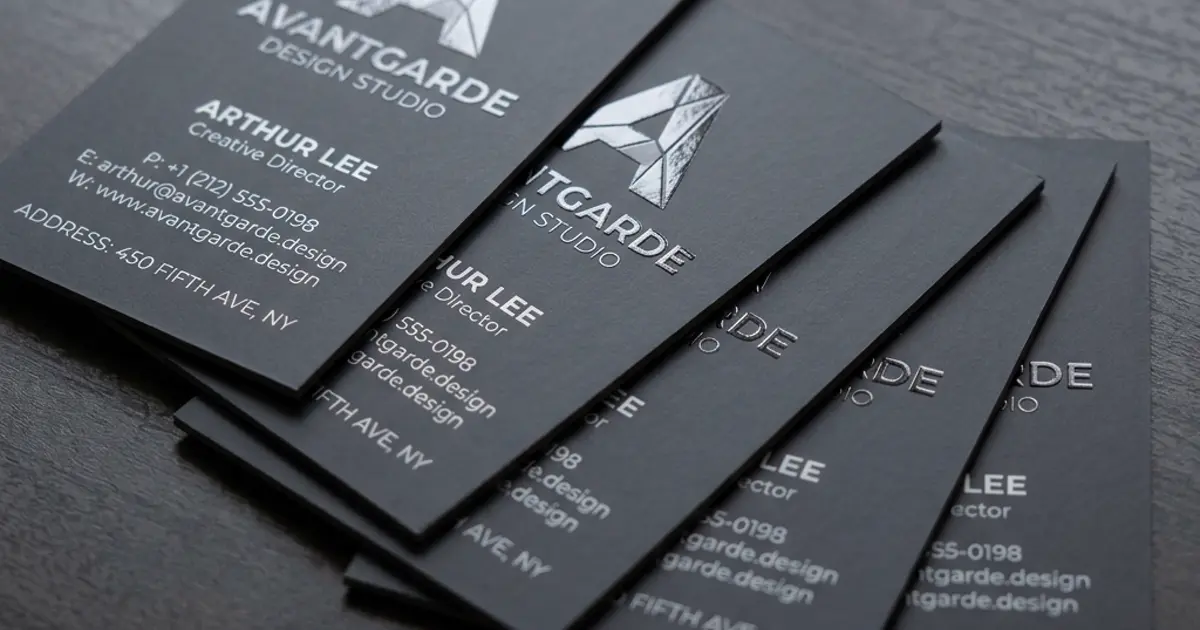
Complete Guide to Business Card Printing in Riyadh
Choose the right size, paper, finish and artwork setup for professional business card printing in Riyadh.
Read Article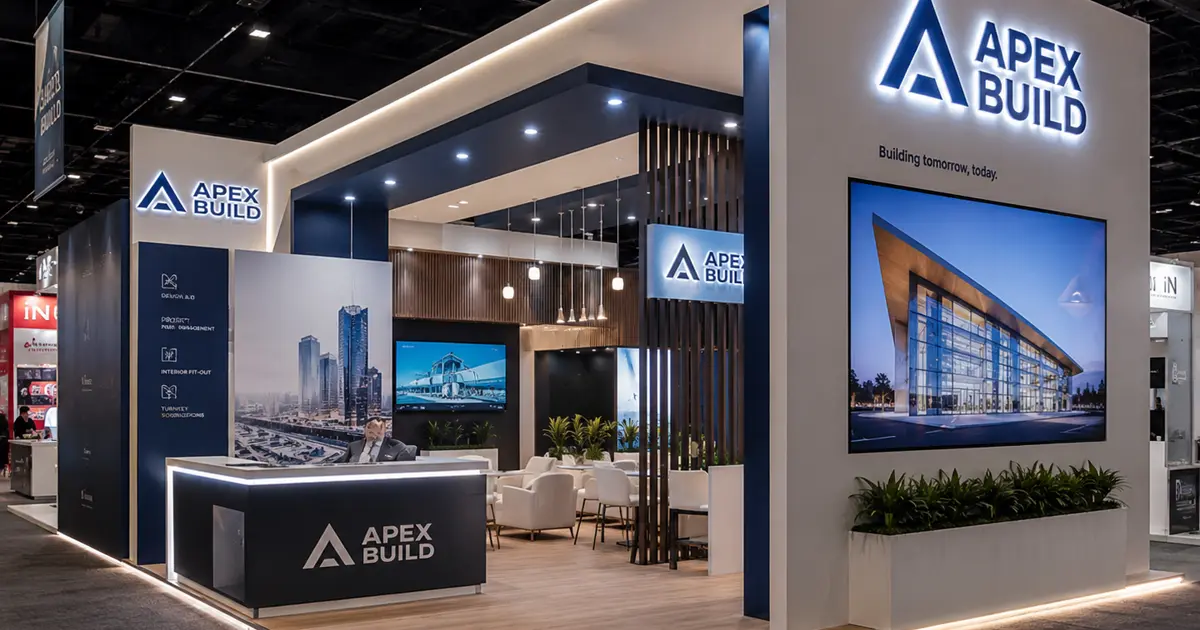
Exhibition and Events
Printing Checklist for Exhibitions and Corporate Events
A practical checklist for planning roll-up banners, backdrops, booth graphics, brochures, signage, giveaways and event branding.
Read ArticleRequest a quotation
Share your project details with AQSA Print so the team can recommend suitable materials, production methods and timelines for your business in Riyadh or Saudi Arabia.
Request a quotation